Residential Plumbing in Ward Village, HI
Residential Plumbing in Ward Village from Hawaii Plumbing & Drain Cleaning Squad. We are licensed under Hawaii Contractor License CT-35055 and provide a written scope and price before approved work begins.
Call (808) 353-8445 Schedule Online
- Licensed CT-35055
- Clear written scope
- Safe guidance for urgent plumbing conditions
Residential Plumbing Guidance for Ward Village
When you need residential plumbing in Ward Village, the useful first step is identifying the actual source of the problem and the site constraints before deciding on a repair. From routine repairs to complete bathroom remodels, we handle all residential plumbing needs.
Building age, piping material, access, water pressure, and the history of the symptom can all change the appropriate work plan. Our role is to inspect the relevant system, explain the observed condition, and give you a clear scope before work begins.
What a Visit Includes
- Diagnosis before scope: We identify the relevant system condition before recommending a method or replacement.
- Written pricing before approved work: The work scope and price are explained before the job begins.
- Licensed service: Hawaii Contractor License CT-35055.
- Site-aware planning: Access, pipe material, building use, and local conditions guide the visit.
- Post-work testing: The affected system is tested so the completed work can be reviewed with you.
Residential Plumbing Services We Provide in Ward Village
- Residential plumber in Ward Village
- Home plumbing in Ward Village
- House plumbing in Ward Village
Residential Plumbing in Ward Village: Local Planning Context
This Ward Village page uses verified public locality references in the planning guide below. Those references can help identify the correct area and access needs, while the recommended residential plumbing work remains based on the specific property, reported symptom, and on-site assessment.
Residential Plumbing in Ward Village — Frequently Asked Questions
How is residential plumbing priced in Ward Village?
What residential plumbing costs in Ward Village comes down to the diagnosis, how the work can be accessed, the materials involved, and the labor the specific issue requires. Before any work starts, we walk through the options and put the price in writing.
What does a residential plumbing assessment involve in Ward Village?
The assessment starts with the fixtures that are acting up, the connections and shutoffs that can be reached, and how the symptom has behaved over time, so the scope we recommend targets the real problem.
What should I do if the residential plumbing issue is urgent?
If water is actively leaking, shut it off at the closest safe valve or at the main supply. Leave the problem uncovered and untouched — no sealing or taking things apart — until it has been properly evaluated.
Planning Residential Plumbing Work in Ward Village
Good planning for a Ward Village property starts from that property itself — what has been reported, what the symptoms look like, and whether the area can be reached safely — rather than from assumptions about the neighborhood as a whole. What the job actually involves is settled on site, once the building, its fixtures and piping, and the symptoms found there have been assessed.
Assessment and Work Planning
The assessment starts with the fixtures that are acting up, the connections and shutoffs that can be reached, and how the symptom has behaved over time, so the scope we recommend targets the real problem.
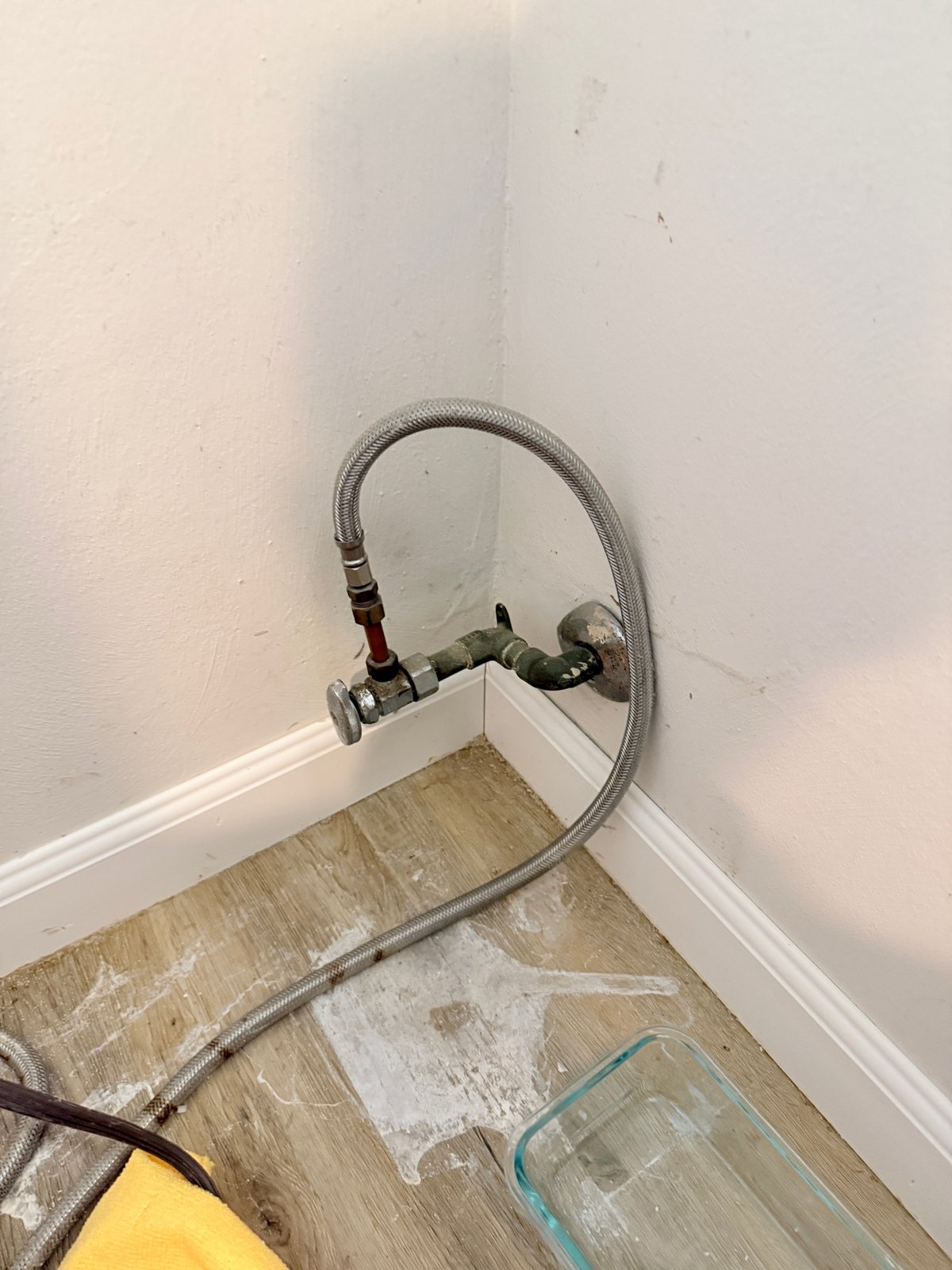
It also matters to separate what you can see from where the trouble actually starts. A fixture that runs slowly, dampness, an odd noise, a change in pressure, or a backup can trace back to the fixture itself, a branch or shared line, an appliance connection, or a component somewhere else in the system. Because of that, the order of inspection follows the condition in front of us instead of treating something observed across the neighborhood as evidence of a particular failure.
Local System Context in Ward Village
Two properties on the same street can still differ in age, pipe material, elevation, pressure, renovation history, fixture load, and how well the system has been maintained. Each of those is checked at the property being served; a landmark or a general description of the area never stands in as proof of a system condition.
While assessing, the technician works through whether the evidence points toward a fixture, a branch line, a shared line, an appliance connection, or another reachable part of the system — and what supports taking the next step.
Verified Ward Village Reference Points
The public locations and corridors below help identify the correct part of Ward Village when arranging access. They do not establish the cause of a plumbing symptom at any property.
- The Ala Moana Boulevard Pedestrian Bridge provides a grade-separated crossing over six lanes of traffic to connect the Kakaako neighborhood with Ala Moana Beach Park and Kewalo Basin. Official public source.
How these verified references help with visit planning
1. Location context: The bridge named above crosses six lanes of Ala Moana Boulevard above traffic, linking the Kakaako side with Ala Moana Beach Park and Kewalo Basin. References like that can orient a visit, but what the technician actually needs is the building address, the unit, and how to get in — route information on its own says nothing about arrival time or about the condition of any plumbing.
Before the appointment, jot down when the symptom started, which fixtures it affects, and any work done on the system recently. Where you can, clear a safe path to the area. For a managed building, a secure area, or a business that is open, confirm the access arrangements and the work area ahead of time.
How a Visit Runs
A Practical Service Process
- Document the symptom. First, the technician goes over the area involved, when the problem shows up, and the conditions that seem to set it off.
- Inspect accessible components. Connections, valves, cleanouts, fixtures, and equipment that can be reached — along with the visible condition of the piping — are examined before any method of work is chosen.
- Explain options before work. Before approved work begins, you hear the scope being recommended, what it is meant to address, what access it will need, and the price in writing.
- Test the completed work. Once the work is done, the system is run under everyday conditions so the outcome can be checked and any follow-up explained.
Questions That Help Define the Scope
- Which fixtures, rooms, equipment, or business areas are affected, and which parts of the property are operating normally?
- Does the problem happen all the time, come and go, follow heavy use, or show up more after weather changes or at particular times of day?
- Has the property had previous repairs, recurring symptoms, remodeling, water damage, or documented pipe or equipment work?
- Where are the shutoffs, cleanouts, equipment rooms, utility areas, crawlspaces, cabinets, or the affected exterior area, and how is each reached?
- For commercial work, what operating hours, tenant needs, sanitation requirements, and property-management approvals affect the visit plan?
Representative Ward Village Residential Plumbing Scenario
Jack Perry brings 23 years of plumbing-field experience, and he has owned and operated Hawaii Plumbing & Drain Cleaning Squad since 2018. The owner confirms that the team has handled residential plumbing work throughout Oahu. A representative Ward Village situation is when a small plumbing concern has begun to interfere with normal use of a kitchen, bath, laundry area, or utility space. This is a practical field scenario, not a claim about a named customer, street address, or job date.
How the visit is approached: In that situation, the technician reviews which fixtures are affected, what changed, and what accessible connection or drain evidence is available. The Ala Moana Boulevard Pedestrian Bridge provides a grade-separated crossing over six lanes of traffic to connect the Kakaako neighborhood with Ala Moana Beach Park and Kewalo Basin. This public reference helps identify the service area and plan access; it is not used to infer a plumbing condition at any individual property.
How the scope is selected: For residential plumbing in Ward Village, the work is aimed at the component that has been documented, and access is coordinated around how the property is actually laid out. The recommendation rests on the condition observed there, on safe access, and on the scope that gets approved.
What helps with the next decision: Once the assessment or the approved work is finished, the closing explanation keeps what was repaired separate from anything that should simply be kept an eye on.
Protecting the property
If water is actively leaking, shut it off at the closest safe valve or at the main supply, and resist covering, sealing, or pulling the problem apart before it has been looked at. When the situation is urgent, a clear photo or a short video taken from a safe distance — along with a note of whether the water is shut off — can help the first conversation. Never create an electrical, gas, wastewater, or slipping hazard just to gather more detail.
Preparing for the Visit
Before the appointment, jot down when the symptom started, which fixtures it affects, and any work done on the system recently. Where you can, clear a safe path to the area. When a building manager, a tenant's schedule, a gate, a security policy, or a maintenance office controls entry, sorting that access out in advance keeps the inspection complete instead of partial, and it cuts down on disruption at the property.
Repair, Maintenance, or Further Investigation?
Plenty of problems yield to a focused repair; others call for cleaning, diagnostic testing, a replacement part, or a plan carried out in stages. Which route fits depends on the material's condition, on safety and accessibility, on how much service life the affected component has left, on the impact to the property, and on why the symptom appeared at all. A careful diagnosis keeps money from going into a short-term fix when the evidence points to something larger underneath — and just as much, it keeps major work from being recommended when a focused repair would do.
Choosing a Proportionate Next Step
The right recommendation is one sized to the evidence found at the property. Where the issue is isolated and the surrounding system is sound, a focused repair fits. Where the system's condition supports it, cleaning or maintenance may be the sensible call. When the source stays unclear, or the symptom keeps coming back, more diagnostic work is the better step. And larger replacement work should rest on documented condition, safety, access, and the likely cost of repeated failures — never on a generic assumption about every Ward Village building.
After the Approved Work
When the approved work is finished, the system gets tested under normal operating conditions and the results are explained before the visit wraps up. File away the written scope, the invoice, manufacturer paperwork, inspection results, and any photos or video alongside the property records — they become valuable if the symptom returns, if maintenance is being planned, if a warranty question comes up, or if a future manager or owner needs the system's history.
Access, Operations, and Surrounding Areas
Ahead of the work, the technician and the property's owners or occupants should pin down the access routes, the shutoff locations, where fixtures and equipment sit, anything that needs protection, and whether other rooms, tenants, customers, neighbors, or building systems are affected. A business may need the visit coordinated around operating hours and sanitation; a residence may need cabinets, flooring, furnishings, and shared areas protected. Coordinating clearly up front keeps the approved scope workable and the disruption to a minimum.
Information to Keep for Future Service
Hold on to the date of service, the area involved, the diagnosis, any photographs or video, the repair method used, the parts or equipment installed, and any follow-up that was recommended. Records like these let a later problem be told apart from a continuing pattern, and they make maintenance planning, matching replacement parts, property-manager communication, and briefing a future technician far easier than working from memory.
How This Local Guide Is Intended to Help
Treat this page as a planning resource for residential plumbing in Ward Village. It stands in for neither an on-site diagnosis nor current safety, utility, manufacturer, permit, or property-management requirements. What it should leave you with is a clear picture of the issue observed, the options available, the written scope, and the work required to get the affected system back to normal operation.
More Questions About Residential Plumbing in Ward Village
What should I prepare before a residential plumbing visit in Ward Village?
Write down when you first noticed the symptom, the fixtures involved, and any recent work or earlier repairs, and clear safe access to the area if you are able to.
How is completed residential plumbing work checked?
Once the approved work is done, the system involved is run under its normal operating conditions, and what the test shows is explained to you before the visit is closed out.
How can local reference points help plan a residential plumbing visit in Ward Village?
A verified public reference for Ward Village is that The Ala Moana Boulevard Pedestrian Bridge provides a grade-separated crossing over six lanes of traffic to connect the Kakaako neighborhood with Ala Moana Beach Park and Kewalo Basin. That information can help describe the location for access planning, but it does not diagnose plumbing at an individual property.
Licensed CT-35055. 4.9-star rated from 92 Google reviews. Backed by our On-Time Arrival Guarantee and 100% satisfaction guarantee. Average emergency response time is 30-60 minutes.
More Services in Ward Village
- Drain Cleaning in Ward Village
- Rooter in Ward Village
- Camera Inspection in Ward Village
- Hydro Jetting in Ward Village
- Sewer Repair in Ward Village
- Water Line in Ward Village
Residential Nearby
- Residential in Honolulu
- Residential in Downtown Honolulu
- Residential in Chinatown
- Residential in Kakaako
- Residential in Ala Moana
- Residential in Makiki
Need Residential Plumbing in Ward Village?
Call (808) 353-8445 or schedule online to discuss the symptom, access needs, and a written scope.