LEAK DETECTION IN WAIKIKI, HI
Leak Detection in Waikiki from Hawaii Plumbing & Drain Cleaning Squad. We are licensed under Hawaii Contractor License CT-35055 and provide a written scope and price before approved work begins.
Call (808) 353-8445 | Schedule Online
Licensed CT-35055 | Clear written scope | Safe guidance for urgent plumbing conditions
Leak Detection Guidance for Waikiki
Written by Jack Perry, Owner | 23 years of plumbing-field experience | Hawaiʻi Plumbing & Drain Cleaning Squad owner since 2018 | Hawaii Contractor License CT-35055
When you need leak detection in Waikiki, the useful first step is identifying the actual source of the problem and the site constraints before deciding on a repair. Using state-of-the-art electronic leak detection equipment, we locate hidden leaks.
Building age, piping material, access, water pressure, and the history of the symptom can all change the appropriate work plan. Our role is to inspect the relevant system, explain the observed condition, and give you a clear scope before work begins.
Leak Detection in Waikiki: Local Planning Context
This Waikiki page uses verified public locality references in the planning guide below. Those references can help identify the correct area and access needs, while the recommended leak detection work remains based on the specific property, reported symptom, and on-site assessment.
What to Expect from a Leak Detection Visit
- Diagnosis before scope: We identify the relevant system condition before recommending a method or replacement.
- Written pricing before approved work: The work scope and price are explained before the job begins.
- Licensed service: Hawaii Contractor License CT-35055.
- Site-aware planning: Access, pipe material, building use, and local conditions guide the visit.
- Post-work testing: The affected system is tested so the completed work can be reviewed with you.
Leak Detection Services We Provide in Waikiki
- Leak detection in Waikiki
- Water leak in Waikiki
- Slab leak in Waikiki
Planning Leak Detection Work in Waikiki
For property owners and occupants in Waikiki, useful planning starts with the affected property, the reported symptom, and safe access—not a neighborhood-wide assumption. The actual scope for leak detection depends on the building, fixtures, piping, equipment, and symptoms found during an on-site assessment.
Verified Waikiki Reference Points
The public locations and corridors below help identify the correct part of Waikiki when arranging access. They do not establish the cause of a plumbing symptom at any property.
- Kapiʻolani Regional Park is the second oldest public park on Oʻahu and was dedicated as a public space by King David Kalākaua in 1877. Official public source.
- Kūhiō Avenue features dedicated transit-priority lanes for bus service between Kapahulu Avenue and Launiu Street. Official public source.
- The Ala Wai Canal is a man-made waterway managed by the State of Hawaiʻi Department of Land and Natural Resources for drainage and coastal management. Official public source.
How these verified references help with visit planning
1. Location context: Kapiʻolani Regional Park is the second oldest public park on Oʻahu and was dedicated as a public space by King David Kalākaua in 1877. A public facility or civic reference can help distinguish the correct part of the community. Before work is scheduled, confirm the exact private-property address, the affected area, and any access or management requirements.
2. Location context: Kūhiō Avenue features dedicated transit-priority lanes for bus service between Kapahulu Avenue and Launiu Street. A public facility or civic reference can help distinguish the correct part of the community. Before work is scheduled, confirm the exact private-property address, the affected area, and any access or management requirements.
3. Location context: The Ala Wai Canal is a man-made waterway managed by the State of Hawaiʻi Department of Land and Natural Resources for drainage and coastal management. A park, trail, shoreline, or conservation reference can clarify the neighborhood, but it is not used to infer pipe condition. The assessment remains focused on the affected property and accessible plumbing.
Record the water-meter reading with fixtures off, note when the symptom occurs, and share any earlier repair or remediation records if available. If the visit involves a managed building, secure area, or operating business, confirm access procedures and the affected work area before the appointment.
Assessment and Work Planning
We begin with the symptom pattern: meter movement, unexplained moisture, pressure loss, water-bill changes, sound, or a recurring wet area.
The evaluation should separate the visible symptom from the source of the issue. For example, a slow fixture, moisture, noise, pressure change, or backup may originate at the fixture, a branch line, a shared line, an appliance connection, or a system component elsewhere in the property. The inspection sequence is adjusted to the condition found rather than treating a neighborhood-wide observation as proof of a particular failure.
Local System Context in Waikiki
Building age, pipe material, elevation, water pressure, renovations, fixture load, and maintenance history can differ even between nearby properties. Those factors are checked at the specific property; a public landmark or neighborhood description is not treated as proof of any system condition.
During the assessment, the useful questions are whether the visible symptom points to a fixture, a branch line, a shared line, an appliance connection, or another accessible system component, and what evidence supports the next step.
A Practical Service Process
- Document the symptom. The technician reviews the affected area, the time pattern, and the operating conditions that trigger the issue.
- Inspect accessible components. Accessible connections, valves, cleanouts, fixtures, equipment, and visible pipe condition are checked before a work method is selected.
- Explain options before work. The recommended scope, what it is intended to address, expected access needs, and the written price are discussed before approved work begins.
- Test the completed work. The relevant system is operated under normal conditions so the result can be reviewed and any follow-up need can be explained.
Questions That Help Define the Scope
- Which fixtures, rooms, equipment, or business areas are affected, and which parts of the property are operating normally?
- Is the issue constant, intermittent, related to heavy use, or more noticeable after weather changes or at certain times of day?
- Has the property had previous repairs, recurring symptoms, remodeling, water damage, or documented pipe or equipment work?
- What access is available to shutoffs, cleanouts, equipment rooms, utility areas, crawlspaces, cabinets, or the affected exterior area?
- For commercial work, what operating hours, tenant needs, sanitation requirements, and property-management approvals affect the visit plan?
Protecting the property
If water is actively damaging the property, turn off the nearest safe valve or main supply. Avoid concealing damp areas before they can be assessed. If the problem is urgent, taking a clear photo or short video from a safe distance and noting the shutoff status can be helpful for the initial conversation. Do not take action that creates an electrical, gas, wastewater, or slip hazard just to gather more information.
Preparing for the Visit
Record the water-meter reading with fixtures off, note when the symptom occurs, and share any earlier repair or remediation records if available. If access is controlled by a building manager, tenant schedule, gate, security policy, or maintenance office, arranging that access in advance can prevent a partial inspection and reduces disruption for the property.
Repair, Maintenance, or Further Investigation?
Some problems can be addressed with a focused repair; others require cleaning, diagnostic testing, a part replacement, or a staged plan. The appropriate option depends on the observed material condition, safety, accessibility, expected service life of the affected component, impact on the property, and the reason the symptom occurred. A detailed diagnosis helps avoid spending on a short-term fix when the evidence points to a larger underlying problem, and it also avoids recommending major work when a focused repair is sufficient.
After the Approved Work
The result documents the suspected or confirmed location, the method used, and the proportionate repair options based on the evidence. Keep the written scope, invoice, manufacturer information, inspection results, and any available photos or video with the property records. Those documents are useful if the symptom returns, maintenance is planned, a warranty question arises, or a future property manager or owner needs to understand the system history.
Choosing a Proportionate Next Step
A useful plumbing recommendation should match the evidence found at the property. A focused repair can be appropriate when the issue is isolated and the surrounding system is sound. Cleaning or maintenance may make sense when the system condition supports it. Further diagnostic work can be more appropriate when the source is unclear or the symptom keeps returning. Larger replacement work should be based on documented condition, safety, access, and the likely impact of repeated failures—not on a generic assumption about every Waikiki building.
Access, Operations, and Surrounding Areas
Before work begins, the technician and property owners and occupants should identify access routes, shutoffs, fixture or equipment locations, materials that may need protection, and whether the work affects other rooms, tenants, customers, neighbors, or building systems. For a business, this can include coordinating service around operating hours and sanitation needs. For a residence, it may include protecting cabinets, flooring, furnishings, and access to shared areas. Clear coordination helps keep the approved scope practical and minimizes avoidable disruption.
Information to Keep for Future Service
Retain the date of service, affected area, diagnosis, photographs or video where available, repair method, installed parts or equipment, and any recommended follow-up. When a different plumbing issue appears later, these records help distinguish a new problem from a continuing pattern. They also make it easier to plan maintenance, obtain compatible replacement parts, communicate with a property manager, or give a future technician reliable context without relying on memory alone.
How This Local Guide Is Intended to Help
This page is a planning resource for leak detection in Waikiki; it does not replace an on-site diagnosis or supersede current safety, utility, manufacturer, permit, or property-management requirements. The most useful outcome is a clear understanding of the observed issue, the available options, the written scope, and the work needed to return the affected plumbing system to normal operation.
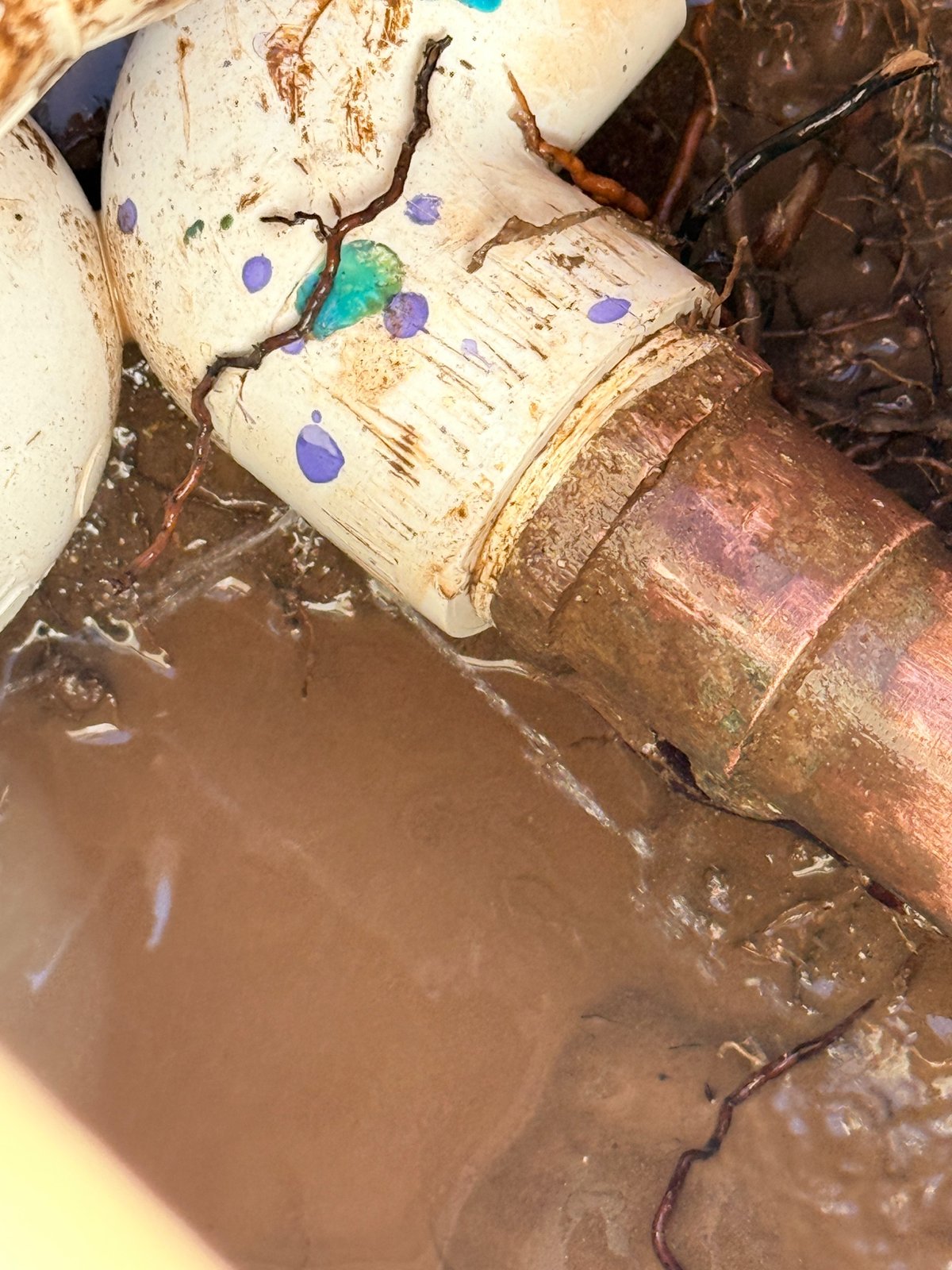
Representative Waikiki Leak Detection Scenario
Jack Perry brings 23 years of plumbing-field experience, and he has owned and operated Hawaiʻi Plumbing & Drain Cleaning Squad since 2018. The owner confirms that the team has handled leak detection work throughout Oʻahu. A representative Waikiki situation is when a possible leak is creating concern about damage or water use. This is a practical field scenario, not a claim about a named customer, street address, or job date.
How the visit is approached: In that situation, the visit prioritizes safe shutoff options and clear documentation of the symptom before a repair location is assumed. Kapiʻolani Regional Park is the second oldest public park on Oʻahu and was dedicated as a public space by King David Kalākaua in 1877. This public reference helps identify the service area and plan access; it is not used to infer a plumbing condition at any individual property.
How the scope is selected: For leak detection in Waikiki, the work plan focuses on confirming the likely source and protecting the property during any necessary access. The recommendation is based on the property’s observed condition, safe access, and approved scope.
What helps with the next decision: After the assessment or approved work, after repair or testing, records provide a reference if a related symptom appears later.
Leak Detection in Waikiki — Frequently Asked Questions
How is leak detection priced in Waikiki?
Leak Detection pricing in Waikiki depends on the diagnosis, access, materials, and work required for the specific issue. We explain the options and provide a written price before work begins.
What does a leak detection assessment involve in Waikiki?
We begin with the symptom pattern: meter movement, unexplained moisture, pressure loss, water-bill changes, sound, or a recurring wet area.
What should I prepare before a leak detection visit in Waikiki?
Record the water-meter reading with fixtures off, note when the symptom occurs, and share any earlier repair or remediation records if available.
What should I do if the leak detection issue is urgent?
If water is actively damaging the property, turn off the nearest safe valve or main supply. Avoid concealing damp areas before they can be assessed.
How is completed leak detection work checked?
The result documents the suspected or confirmed location, the method used, and the proportionate repair options based on the evidence.
How can local reference points help plan a leak detection visit in Waikiki?
A verified public reference for Waikiki is that Kapiʻolani Regional Park is the second oldest public park on Oʻahu and was dedicated as a public space by King David Kalākaua in 1877. That information can help describe the location for access planning, but it does not diagnose plumbing at an individual property.
More Services in Waikiki
- Drain Cleaning in Waikiki
- Rooter in Waikiki
- Camera Inspection in Waikiki
- Hydro Jetting in Waikiki
- Sewer Repair in Waikiki
- Water Line in Waikiki
Leak Detection Nearby
- Leak Detection in Honolulu
- Leak Detection in Downtown Honolulu
- Leak Detection in Chinatown
- Leak Detection in Kakaako
- Leak Detection in Ala Moana
- Leak Detection in Ward Village
Need Leak Detection in Waikiki?
Call (808) 353-8445 or schedule online to discuss the symptom, access needs, and a written scope.